
Skip to header Skip to main navigation Skip to main content Skip to footer

उपयोगकर्ता खाता मेनू

  • Log in
Home
Agriculture, Horticulture, Floriculture
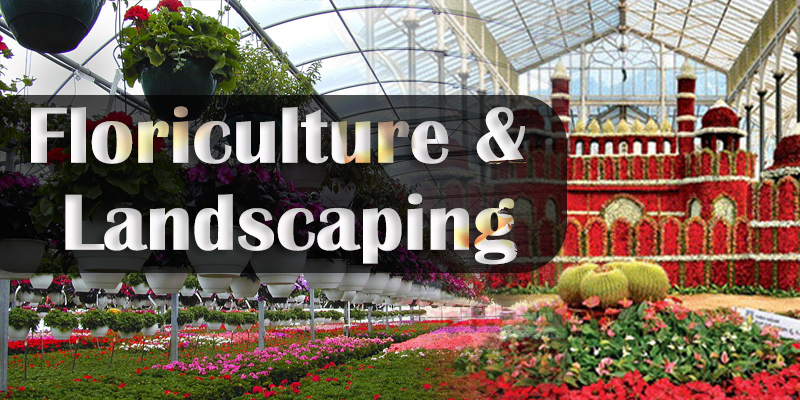
Floriculture & Landscaping
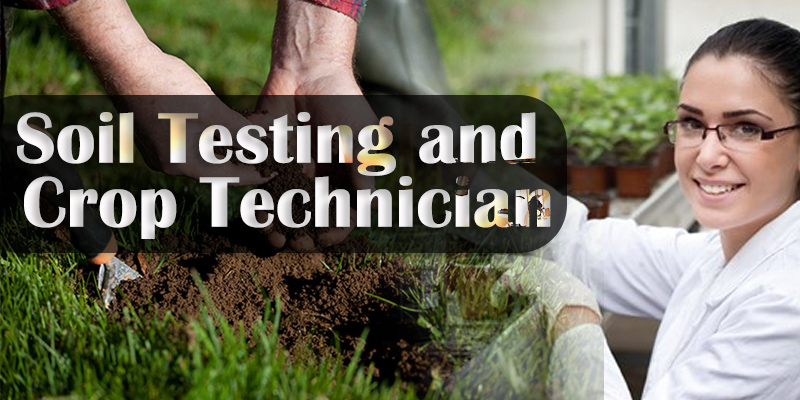
Soil Testing and Crop Technician
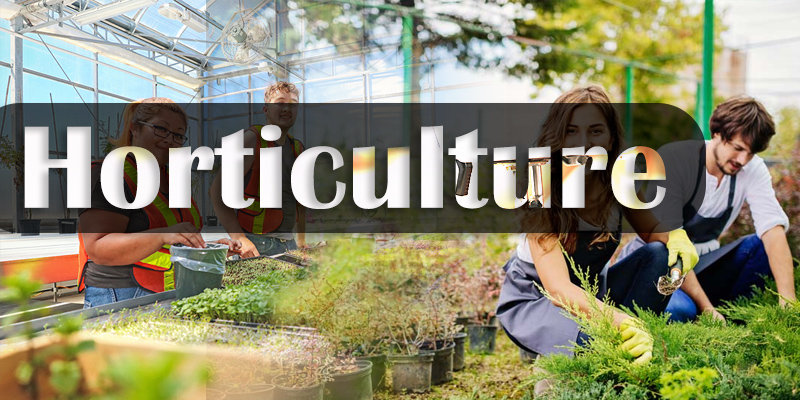
Horticulture

मुख्य नेविगेशन

  • Home
  • Floriculture & Landscaping
  • Horticulture
  • Soil Testing and Crop Technician
    • Soil Testing and Crop Technician Course Information
    • Soil Testing and Crop Technician Training System
  • Employability Skills (opens in new tab)
  • Engineering Drawing (opens in new tab)
  • Hunnarbaaz (opens in new tab)
  • ITI Tools (opens in new tab)
  • Syllabus (opens in new tab)
  • Workshop Calculation and Science (opens in new tab)

Horticulture

Breadcrumb

  • Home
  • Horticulture
  • English
  • Hindi
Horticulture
Horticulture ITI Trade

ITI Horticulture Trade  

The ITI "Horticulture" trade is a one-year vocational training program under the Craftsman Training Scheme (CTS), governed by the National Council for Vocational Training (NCVT). This course equips trainees with skills in cultivating fruits, vegetables, flowers, and ornamental plants, managing nurseries, landscaping, and applying sustainable horticultural techniques.

Soil Testing and Crop Technician

During the one-year duration of “Soil Testing and Crop Technician” trade a candidate is trained on professional skill, professional knowledge and Employability skillrelated to job role. In addition to this a candidate is entrusted to undertake project work and extracurricular activities to build up confidence. The broad components covered under Professional Skill subject are as below:-

Floriculture & Landscaping

ITI Floriculture & Landscaping Trade

The ITI "Floriculture & Landscaping" trade is a one-year vocational training program under the Craftsman Training Scheme (CTS), governed by the National Council for Vocational Training (NCVT). This course equips trainees with skills in growing and managing flowering and ornamental plants, designing landscapes, and maintaining gardens for residential, commercial, and public spaces.

Horticulture ITI Trade

ITI Horticulture Trade  

The ITI "Horticulture" trade is a one-year vocational training program under the Craftsman Training Scheme (CTS), governed by the National Council for Vocational Training (NCVT). This course equips trainees with skills in cultivating fruits, vegetables, flowers, and ornamental plants, managing nurseries, landscaping, and applying sustainable horticultural techniques. The syllabus integrates theoretical knowledge, practical cultivation methods, and employability skills to prepare students for roles such as horticulturists, nursery managers, landscape technicians, or farm supervisors in agricultural firms, government departments, parks, or private estates, or as self-employed professionals in nursery businesses or landscaping services.

Course Overview

  • Duration: 1 year (2 semesters, each 6 months)
  • NSQF Level: Level 4
  • Eligibility: Minimum 10th grade pass with Science (or equivalent)
  • Objective: To train individuals in scientific plant cultivation, soil management, pest control, and landscaping to enhance agricultural productivity and environmental aesthetics.

Detailed Syllabus Breakdown

1. Trade Theory (Theoretical Knowledge)

Covers foundational concepts in horticulture, plant biology, and landscape management.

  • Semester 1
    • Introduction to Horticulture
      • Definition and scope: branches (pomology, olericulture, floriculture, landscaping).
      • Importance of horticulture: food security, aesthetics, economic benefits.
      • Career opportunities: nursery management, agro-tourism, urban gardening.
    • Plant Biology
      • Plant structure: roots, stems, leaves, flowers, fruits.
      • Photosynthesis: process, factors affecting, importance.
      • Plant propagation: sexual (seeds), asexual (cuttings, grafting, layering).
    • Soil Science
      • Soil types: sandy, clayey, loamy – properties, suitability for crops.
      • Soil fertility: nutrients (NPK), organic matter, pH testing.
      • Soil preparation: tilling, composting, mulching, green manuring.
    • Horticultural Tools and Equipment
      • Hand tools: spades, trowels, pruning shears, watering cans.
      • Power tools: lawnmowers, sprayers, tillers – operation, maintenance.
      • Safety practices: handling tools, chemicals, protective gear.
    • Irrigation and Water Management
      • Water requirements: for fruits, vegetables, ornamental plants.
      • Irrigation methods: drip, sprinkler, surface – advantages, setup.
      • Water conservation: rainwater harvesting, mulching, scheduling.
    • Nursery Management
      • Nursery types: temporary, permanent, retail, wholesale.
      • Seed sowing: bed preparation, germination techniques, seedling care.
      • Media preparation: soil mixtures, coco peat, vermiculite.
  • Semester 2
    • Crop Cultivation
      • Fruit crops: mango, citrus, banana – varieties, planting, care.
      • Vegetable crops: tomato, brinjal, leafy greens – sowing, harvesting.
      • Flower crops: rose, marigold, jasmine – commercial cultivation, care.
    • Pest and Disease Management
      • Common pests: aphids, caterpillars, mites – identification, damage.
      • Diseases: fungal, bacterial, viral – symptoms, prevention.
      • Control methods: organic (neem oil), chemical (pesticides), IPM.
    • Landscaping and Ornamental Gardening
      • Landscape design: principles, elements (paths, lawns, water features).
      • Ornamental plants: shrubs, creepers, bonsai – selection, maintenance.
      • Garden types: formal, informal, rooftop, vertical gardens.
    • Post-Harvest Technology
      • Harvesting: maturity indices, techniques for fruits, vegetables, flowers.
      • Storage: cold storage, drying, packing standards.
      • Value addition: jams, pickles, dried flowers – basics, marketing.
    • Sustainable Horticulture
      • Organic farming: principles, certification, biofertilizers.
      • Climate-resilient practices: drought-tolerant crops, crop rotation.
      • Waste recycling: composting, vermicomposting, biogas production.
    • Professional Skills
      • Entrepreneurship: starting a nursery, landscaping business, or farm.
      • Marketing: branding, selling produce, online platforms.
      • Industry trends: hydroponics, vertical farming, precision agriculture.

2. Trade Practical (Hands-On Skills)

Focuses on practical cultivation, nursery operations, and landscaping.

  • Semester 1
    • Soil Preparation
      • Testing soil: checking pH, texture, nutrient levels in labs.
      • Preparing beds: tilling, mixing compost, leveling for sowing.
      • Applying fertilizers: organic (manure), inorganic (urea) in fields.
    • Plant Propagation
      • Seed sowing: practicing direct sowing, transplanting seedlings.
      • Vegetative propagation: performing cuttings, grafting, layering.
      • Raising seedlings: managing trays, watering, shading in nurseries.
    • Irrigation Practice
      • Setting up irrigation: installing drip, sprinkler systems in plots.
      • Watering plants: using cans, hoses for different crops.
      • Measuring water use: scheduling irrigation for water conservation.
    • Nursery Operations
      • Preparing media: mixing soil, sand, coco peat for pots, beds.
      • Potting plants: filling pots, transplanting saplings.
      • Maintaining nurseries: weeding, watering, pest monitoring.
    • Tool Handling
      • Using tools: digging, pruning, planting with spades, shears.
      • Maintaining equipment: cleaning, sharpening, oiling tools.
      • Safety drills: wearing gloves, goggles during chemical spraying.
    • Project Work
      • Establishing a small nursery: sowing seeds, raising seedlings.
      • Documenting growth: recording germination rates, care schedules.
  • Semester 2
    • Crop Cultivation Practice
      • Growing fruits: planting saplings (mango, citrus), pruning, staking.
      • Growing vegetables: sowing tomatoes, leafy greens, harvesting.
      • Growing flowers: planting roses, marigolds, maintaining beds.
    • Pest and Disease Control
      • Identifying pests: inspecting plants for aphids, caterpillars.
      • Applying controls: spraying neem oil, pesticides in controlled setups.
      • Monitoring diseases: checking for blight, wilt, taking preventive steps.
    • Landscaping Practice
      • Designing gardens: laying out paths, lawns in mock projects.
      • Planting ornamentals: arranging shrubs, creepers, bonsai.
      • Maintaining lawns: mowing, edging, fertilizing in fields.
    • Post-Harvest Handling
      • Harvesting crops: picking fruits, vegetables at correct maturity.
      • Packing produce: sorting, grading, boxing for markets.
      • Processing basics: making jams, drying flowers in labs.
    • Sustainable Practices
      • Composting: preparing compost pits, vermicompost units.
      • Organic farming: growing crops using biofertilizers, biopesticides.
      • Recycling waste: converting plant debris into mulch, compost.
    • Project Work
      • Developing a mini-garden: designing layout, planting crops, landscaping.
      • Presenting a portfolio: including crop records, garden plans, photos.

3. Workshop Calculation and Science

Provides mathematical and scientific support for horticultural tasks.

  • Semester 1
    • Arithmetic: calculating seed rates, fertilizer doses, plot areas.
    • Measurements: converting weights, volumes for irrigation, chemicals.
    • Science: plant physiology, soil chemistry, nutrient cycles.
  • Semester 2
    • Calculations: estimating yields, landscaping costs, water budgets.
    • Geometry: designing garden layouts, irrigation pipelines.
    • Science: pest biology, climate effects, organic matter decomposition.

4. Engineering Drawing

Focuses on technical drawing for horticultural layouts.

  • Semester 1: Sketching nursery layouts, irrigation systems.
  • Semester 2: Designing garden plans, greenhouse structures.

5. Employability Skills

Enhances job readiness and soft skills.

  • Semester 1
    • Communication skills: interacting with farmers, clients, suppliers.
    • Time management: prioritizing sowing, harvesting tasks.
    • Basic IT skills: using software for inventory, crop tracking.
  • Semester 2
    • Entrepreneurship: planning a nursery or landscaping startup.
    • Teamwork: collaborating with laborers, agronomists, marketers.
    • Problem-solving: addressing crop failures, pest outbreaks.

Assessment and Certification

  • Examinations: Conducted semester-wise with theoretical and practical components.
  • Certification: Successful candidates receive the National Trade Certificate (NTC) from NCVT, recognized nationally and internationally.
  • Evaluation: Based on cultivation skills, nursery management, landscaping accuracy, and project work.

Career Opportunities

  • Employment: Horticulturist, nursery manager, landscape technician, farm supervisor in agricultural firms, government parks, or private estates.
  • Self-Employment: Starting a nursery, landscaping service, or organic farm.
  • Further Studies: Diploma in Horticulture, Agriculture, or B.Sc. in Horticulture.

Note

  • This syllabus aligns with the latest NCVT guidelines and may vary slightly based on institutional or state-specific requirements.
  • For the most current version, refer to the Directorate General of Training (DGT) or consult your local ITI.

Discipline and Outward Signs

By iti | 1:16 PM IST, Mon March 30, 2026
Discipline is one of the most important qualities required in every field of life, especially in technical education and vocational trades such as Horticulture in ITI. It refers to the practice of following rules, maintaining order, and behaving in a responsible and respectful manner. Discipline helps individuals develop good habits, improve efficiency, and achieve success in their personal and professional lives.
Horticulture
  • Read more about Discipline and Outward Signs

Importance of Different Elements of Weather and Climate in Agriculture

By iti | 1:05 PM IST, Mon March 30, 2026
Weather and climate play a vital role in agriculture and horticulture. The growth, development, yield, and quality of crops are directly influenced by various atmospheric conditions. For students of the Horticulture trade in ITI, understanding the importance of weather elements such as rainfall, temperature, humidity, sunshine, and wind speed and direction is essential. These elements not only determine crop selection but also affect agricultural practices, irrigation scheduling, pest management, and harvesting.
Horticulture
  • Read more about Importance of Different Elements of Weather and Climate in Agriculture
Pagination
  • Previous page ‹‹
  • Page 2
Subscribe to Horticulture
Weather forecast & its implication
Brief Idea about Special Weather Phenomena and Hazard Weather Events
Classification of vegetables based on season and edible parts
Common fruits, flowers and vegetables grown in the country according to agroecological situation and season
Classification of horticultural plants
Scope of horticulture
Importance of horticulture
Classification of the Subject (Horticulture)
Introduction to Horticulture
Weather and Climate of the State in Relation to Crop Seasons in India
Discipline and Outward Signs
Importance of Different Elements of Weather and Climate in Agriculture

Common Subject

  • Engineering Drawing
  • Employability Skills
  • Workshop Calculation Science

Directory

  • Industrial Training Institutes
  • Engineering College
  • Medical College

Knowledge Bank

  • ITI Syllabus
  • Tools

Student Friend

  • ITI Admission
  • ITI Jobs
  • ITI Hunnarbaaz
  • Get ITI Website

Copyright © 2026 ITI Directory - All rights reserved

Developed and Designed by ITI Directory