
Introduction to Horticulture
Horticulture is an important branch of agriculture that deals with the cultivation, management, and utilization of fruits, vegetables, flowers, ornamental plants, spices, and plantation crops. The word “horticulture” is derived from two Latin words: hortus meaning garden and cultura meaning cultivation. Thus, horticulture refers to the science and art of growing plants in gardens.
Horticulture plays a vital role in improving nutrition, enhancing the environment, and increasing farmers’ income. It is an essential field in modern agriculture and offers wide employment opportunities, especially for students in ITI and vocational training.
Branches of Horticulture
Horticulture is divided into several branches based on the type of crops grown:
- Pomology: It deals with the cultivation of fruit crops such as mango, apple, banana, and citrus fruits.
- Olericulture: It involves the production of vegetable crops like tomato, cabbage, potato, and onion.
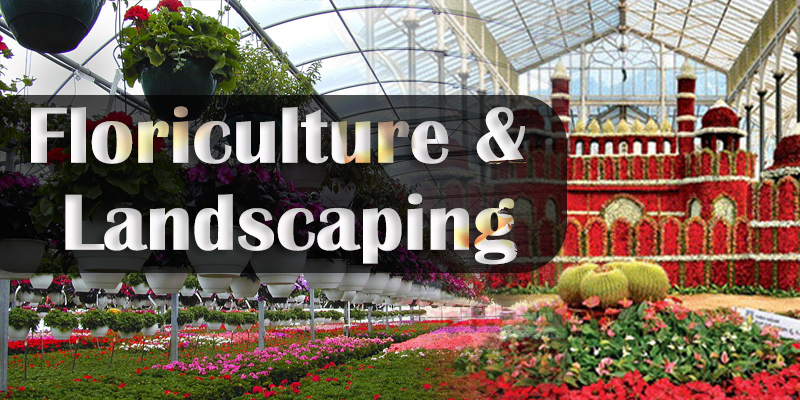
- Floriculture: It focuses on the cultivation of flowers and ornamental plants such as rose, marigold, and jasmine.
- Plantation Crops: It includes crops like tea, coffee, coconut, and rubber.
- Spices and Condiments: It covers crops such as pepper, turmeric, ginger, and cardamom.
- Landscape Gardening: It involves designing and maintaining gardens, parks, and lawns for aesthetic purposes.
Importance of Horticulture
Horticulture has great importance in agriculture and daily life. It provides nutritious food such as fruits and vegetables, which are rich in vitamins, minerals, and antioxidants. These foods are essential for maintaining good health and preventing diseases.
Horticulture also contributes to economic development. It generates higher income compared to traditional field crops and creates employment opportunities in areas such as nursery management, landscaping, and floriculture.
In addition, horticulture improves the environment by increasing greenery, reducing pollution, and maintaining ecological balance. Plants help in conserving soil, improving air quality, and enhancing biodiversity.
Scope of Horticulture
The scope of horticulture is expanding rapidly due to increasing demand for fruits, vegetables, and flowers. With the growth of urbanization and awareness about health, people are consuming more fresh and organic produce.
Horticulture offers various career opportunities such as nursery manager, landscape designer, greenhouse operator, florist, and agricultural entrepreneur. It also plays a key role in export, contributing to the country’s economy.
Modern Practices in Horticulture
Modern horticulture involves the use of advanced techniques such as greenhouse cultivation, drip irrigation, tissue culture, and organic farming. These methods help in increasing productivity, saving water, and improving the quality of produce.
Protected cultivation allows crops to grow in controlled environments, protecting them from extreme weather conditions. Similarly, drip irrigation ensures efficient use of water and fertilizers.
Conclusion
Horticulture is a dynamic and essential field of agriculture that contributes to food security, economic growth, and environmental sustainability. It offers numerous opportunities for students and farmers to improve their livelihoods.
For ITI students, understanding horticulture is important for developing practical skills and building a successful career in agriculture-related fields. With proper knowledge and modern techniques, horticulture can become a profitable and sustainable profession.
Horticulture
ITI Horticulture Trade
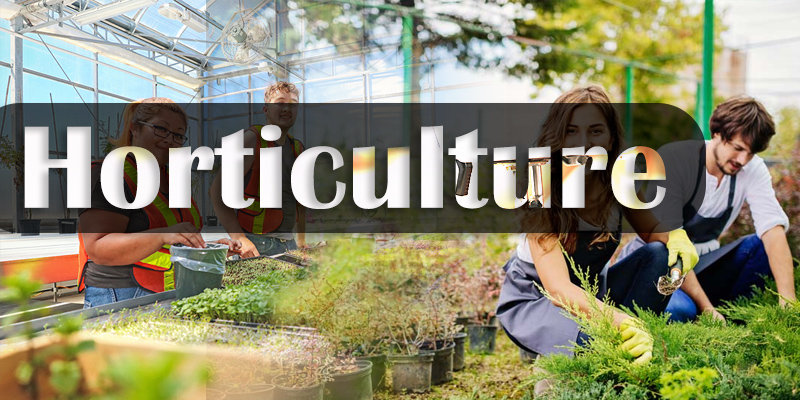
The ITI "Horticulture" trade is a one-year vocational training program under the Craftsman Training Scheme (CTS), governed by the National Council for Vocational Training (NCVT). This course equips trainees with skills in cultivating fruits, vegetables, flowers, and ornamental plants, managing nurseries, landscaping, and applying sustainable horticultural techniques.