
Importance of Horticulture
Horticulture is an important branch of agriculture that deals with the cultivation of fruits, vegetables, flowers, ornamental plants, spices, and plantation crops. It plays a vital role in improving the quality of life, enhancing food security, and increasing the income of farmers. In modern agriculture, horticulture has gained great importance due to its high productivity and economic value.
1. Nutritional Importance
Horticultural crops such as fruits and vegetables are rich sources of vitamins, minerals, antioxidants, and dietary fiber. They are essential for maintaining good health and preventing diseases. Regular consumption of these crops helps in improving immunity and overall well-being.
2. Economic Importance
Horticulture provides higher income compared to traditional field crops. It offers great opportunities for farmers to earn more profit due to the high market value of fruits, vegetables, and flowers. It also supports agro-based industries such as food processing, floriculture, and nursery business.
3. Employment Generation
Horticulture creates employment opportunities in various sectors like nursery management, landscaping, greenhouse farming, packaging, and marketing. It provides jobs for both skilled and unskilled labor, especially in rural areas.
4. Environmental Protection
Horticulture helps in improving the environment by increasing greenery and maintaining ecological balance. Plants absorb carbon dioxide and release oxygen, which helps in reducing air pollution. Trees and plants also help in soil conservation and prevent erosion.
5. Scope for Export
Horticultural products such as fruits, vegetables, flowers, and spices have high demand in international markets. Export of these products contributes to foreign exchange earnings and strengthens the economy of the country.
6. Efficient Use of Land and Water
Horticulture allows efficient utilization of land and water resources. Techniques like drip irrigation and protected cultivation help in saving water and increasing productivity even in limited space.
7. Aesthetic and Recreational Value
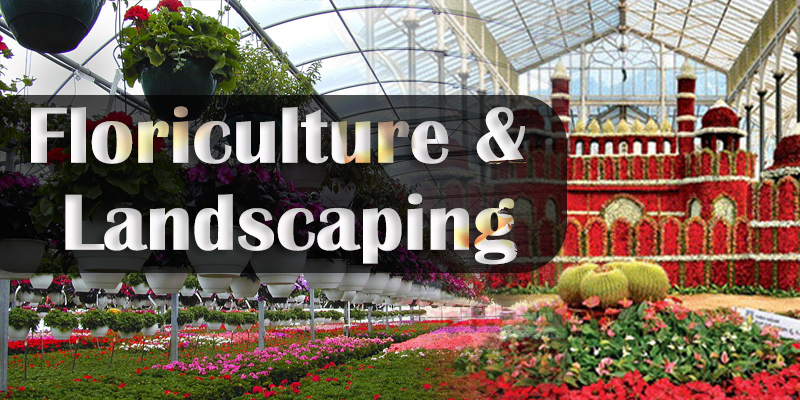
Horticulture enhances the beauty of surroundings through gardens, parks, and landscaping. It provides recreational spaces and improves mental health by creating a pleasant environment.
8. Industrial Importance
Many horticultural crops are used as raw materials in industries such as food processing, cosmetics, and pharmaceuticals. For example, fruits are used in making juices and jams, while flowers are used in perfumes and decoration.
Conclusion
Horticulture plays a crucial role in agriculture, economy, and environment. It not only provides nutritious food but also generates income, employment, and industrial growth. For students of ITI Horticulture trade, understanding the importance of horticulture is essential for developing skills and building a successful career in this field.
Horticulture
ITI Horticulture Trade
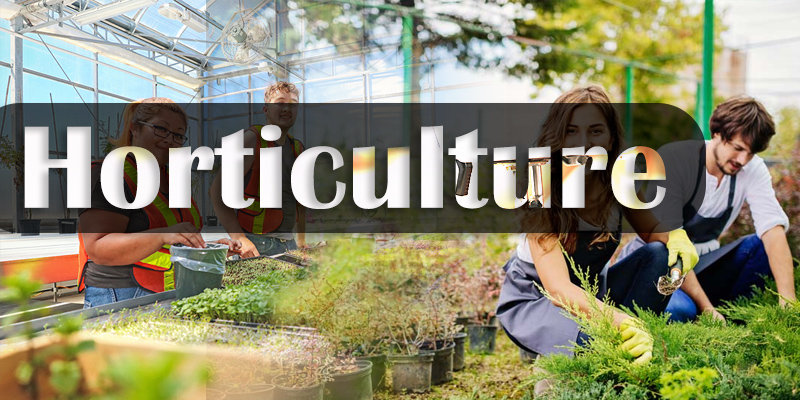
The ITI "Horticulture" trade is a one-year vocational training program under the Craftsman Training Scheme (CTS), governed by the National Council for Vocational Training (NCVT). This course equips trainees with skills in cultivating fruits, vegetables, flowers, and ornamental plants, managing nurseries, landscaping, and applying sustainable horticultural techniques.