

Weather Forecast and Its Implication
Weather forecasting is the scientific prediction of atmospheric conditions such as temperature, rainfall, humidity, and wind for a specific period and location. It plays a crucial role in agriculture and horticulture by helping farmers plan their activities and reduce risks caused by uncertain weather conditions.
Types of Weather Forecast
1. Short-Range Forecast
This forecast is valid for 1–3 days. It helps farmers in day-to-day agricultural operations such as irrigation, spraying pesticides, and harvesting.
2. Medium-Range Forecast
This forecast is valid for 3–10 days. It is useful for planning sowing, irrigation scheduling, and fertilizer application.
3. Long-Range Forecast
This forecast is valid for weeks or months. It helps in crop selection, cropping pattern, and seasonal planning.
Importance of Weather Forecast in Agriculture
Weather forecast helps farmers to take timely decisions and minimize losses. It improves efficiency and productivity in farming.
- Helps in selecting suitable crops and varieties
- Assists in planning sowing and harvesting time
- Reduces damage from extreme weather events
- Helps in efficient use of water and fertilizers
- Supports pest and disease management
Implications of Weather Forecast
1. Crop Planning
Farmers can choose appropriate crops and varieties based on expected weather conditions, especially rainfall and temperature.
2. Irrigation Management
Forecast of rainfall helps in avoiding unnecessary irrigation, saving water and energy.
3. Pest and Disease Control
Weather conditions influence pest and disease outbreaks. Forecasting helps in timely application of pesticides.
4. Harvesting Operations
Farmers can plan harvesting during dry weather to avoid crop damage and post-harvest losses.
5. Disaster Management
Advance warning of storms, floods, or drought helps farmers take preventive measures to protect crops and livestock.
Conclusion
Weather forecasting is an essential tool in modern agriculture. It helps farmers make informed decisions, reduce risks, and improve productivity. For ITI Horticulture students, understanding weather forecasts and their implications is vital for efficient crop management and sustainable farming practices.
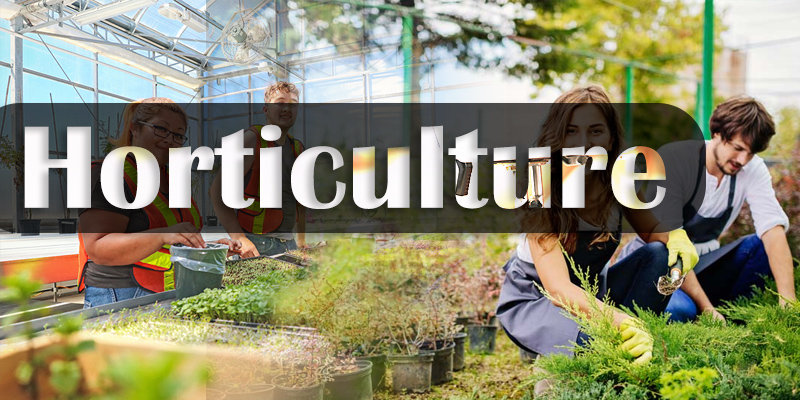
Horticulture
ITI Horticulture Trade
The ITI "Horticulture" trade is a one-year vocational training program under the Craftsman Training Scheme (CTS), governed by the National Council for Vocational Training (NCVT). This course equips trainees with skills in cultivating fruits, vegetables, flowers, and ornamental plants, managing nurseries, landscaping, and applying sustainable horticultural techniques.