
Classification of the Subject (Horticulture)
Horticulture is an important branch of agriculture that deals with the cultivation of fruits, vegetables, flowers, and other garden crops. For systematic study and better understanding, the subject of horticulture is classified into different branches. This classification helps students and professionals to specialize in specific areas and improve productivity and quality of crops.
1. Pomology (Fruit Science)
This branch deals with the cultivation, production, harvesting, and management of fruit crops such as mango, apple, banana, guava, and citrus fruits. It focuses on improving fruit yield, quality, and storage.
2. Olericulture (Vegetable Science)
Olericulture involves the cultivation and management of vegetable crops like tomato, potato, cabbage, onion, carrot, and brinjal. It includes practices related to sowing, irrigation, pest control, and harvesting.
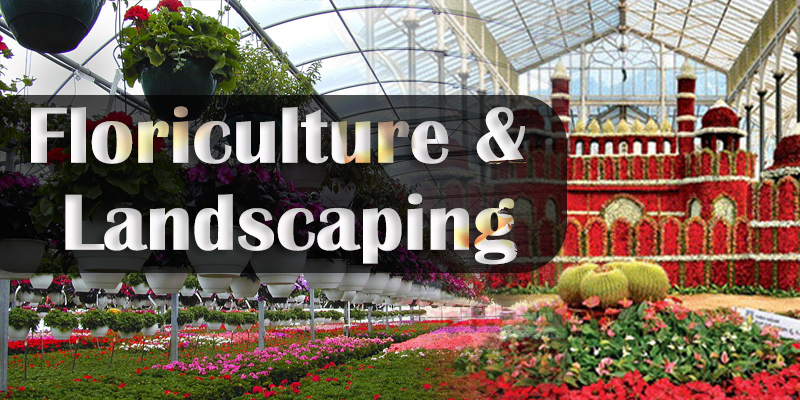
3. Floriculture (Flower Science)
Floriculture deals with the cultivation of flowering and ornamental plants such as rose, marigold, jasmine, and chrysanthemum. It also includes flower arrangement, nursery raising, and decorative gardening.
4. Plantation Crops
This branch includes large-scale cultivation of long-duration crops like tea, coffee, coconut, rubber, and arecanut. These crops are mainly grown for commercial purposes.
5. Spices and Condiments
This branch focuses on crops used for flavoring and seasoning food, such as pepper, turmeric, ginger, cardamom, and cloves. These crops also have medicinal value.
6. Medicinal and Aromatic Plants
This branch deals with plants used in medicine and perfumes, such as tulsi, aloe vera, mint, and ashwagandha. These plants are important for health and pharmaceutical industries.
7. Landscape Gardening
Landscape gardening involves designing, planning, and maintaining gardens, parks, and lawns. It combines art and science to improve the beauty of surroundings.
8. Nursery Management
This branch focuses on raising and managing planting materials like seedlings, saplings, and grafted plants. It ensures the availability of healthy plants for cultivation.
9. Post-Harvest Technology
Post-harvest technology deals with handling, storage, processing, and transportation of horticultural produce after harvesting to reduce losses and maintain quality.
Conclusion
The classification of horticulture into different branches helps in better understanding and efficient management of crops. It provides a clear structure for learning and specialization. For ITI students, this knowledge is essential for skill development and career growth in the field of horticulture.
Horticulture
ITI Horticulture Trade
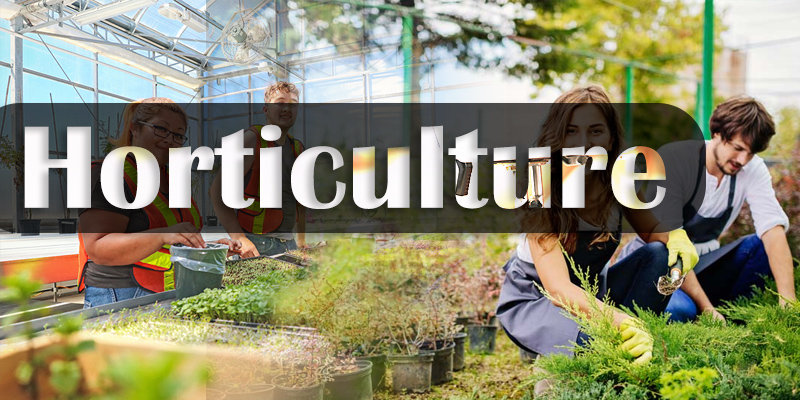
The ITI "Horticulture" trade is a one-year vocational training program under the Craftsman Training Scheme (CTS), governed by the National Council for Vocational Training (NCVT). This course equips trainees with skills in cultivating fruits, vegetables, flowers, and ornamental plants, managing nurseries, landscaping, and applying sustainable horticultural techniques.