
Importance of Different Elements of Weather and Climate in Agriculture
Weather and climate play a vital role in agriculture and horticulture. The growth, development, yield, and quality of crops are directly influenced by various atmospheric conditions. For students of the Horticulture trade in ITI, understanding the importance of weather elements such as rainfall, temperature, humidity, sunshine, and wind speed and direction is essential. These elements not only determine crop selection but also affect agricultural practices, irrigation scheduling, pest management, and harvesting.
1. Rainfall
Rainfall is one of the most critical factors in agriculture. It serves as the primary source of water for crops, especially in rain-fed farming systems. The amount, intensity, and distribution of rainfall greatly influence crop productivity.
Proper rainfall ensures adequate soil moisture, which is necessary for seed germination, root development, and nutrient absorption. Insufficient rainfall can lead to drought conditions, reducing crop yield and sometimes causing crop failure. On the other hand, excessive rainfall can result in waterlogging, soil erosion, and leaching of nutrients.
In horticulture, rainfall also affects fruit quality. For example, heavy rains during flowering may reduce pollination, while rainfall during fruit maturity may lead to cracking in fruits like tomatoes and cherries. Therefore, understanding rainfall patterns helps farmers plan irrigation systems and choose suitable crops for specific regions.
2. Temperature
Temperature is another crucial element that affects plant growth and development. Each crop has an optimum temperature range for germination, growth, flowering, and fruiting.
Low temperatures can slow down plant metabolism, delay germination, and cause frost damage in sensitive crops. High temperatures, on the other hand, may increase evaporation, cause heat stress, and reduce crop yield. Extreme temperatures can even lead to plant death.
In horticulture, temperature plays a key role in determining crop suitability. For example, crops like apples and strawberries require cooler climates, while crops like mango and banana thrive in warmer regions. Temperature also influences the rate of photosynthesis and respiration, which directly impacts plant growth.
3. Humidity
Humidity refers to the amount of water vapor present in the air. It affects plant transpiration, disease development, and overall crop health.
High humidity reduces the rate of transpiration, which can lead to excessive moisture in plant tissues. This creates favorable conditions for fungal diseases such as powdery mildew and downy mildew. Low humidity, on the other hand, increases transpiration, causing water stress in plants.
In horticulture crops like vegetables and flowers, humidity plays a crucial role in maintaining quality. For instance, high humidity is beneficial for leafy vegetables, while moderate humidity is ideal for fruit crops. Proper humidity management is essential in greenhouse cultivation to ensure optimal plant growth.
4. Sunshine
Sunshine is the primary source of energy for photosynthesis, the process by which plants prepare their food. The duration and intensity of sunlight significantly affect crop growth and productivity.
Plants require adequate sunlight for healthy growth. Insufficient sunlight can lead to weak and elongated plants with poor yield. Excessive sunlight, however, can cause leaf scorching and increased water loss.
Different crops have different sunlight requirements. For example, crops like sugarcane and maize require full sunlight, while some ornamental plants grow well under partial shade. In horticulture, sunshine also influences flowering and fruit coloration. Proper exposure to sunlight enhances the sweetness and color of fruits.
5. Wind Speed and Direction
Wind is an important but often overlooked element of weather. Wind speed and direction affect various agricultural activities such as pollination, evapotranspiration, and pesticide application.
Moderate wind helps in the dispersal of pollen, aiding in pollination, especially in crops like maize. It also helps in reducing humidity around plants, thereby lowering the chances of disease development. However, strong winds can cause physical damage to crops, such as breaking branches, lodging of plants, and fruit drop.
Wind direction is important for planning windbreaks and shelterbelts. These structures protect crops from strong winds and reduce soil erosion. In horticulture, wind protection is essential for delicate plants like flowers and fruit trees.
Combined Effect of Weather Elements
All weather elements are interconnected and collectively influence agricultural production. For example, high temperature combined with low humidity increases water loss from plants, requiring more irrigation. Similarly, rainfall and temperature together determine the growing season of crops.
Farmers and horticulturists must understand these interactions to make informed decisions. Modern techniques such as weather forecasting and climate-smart agriculture help in managing these factors effectively.
Conclusion
Weather and climate elements such as rainfall, temperature, humidity, sunshine, and wind play a crucial role in agriculture and horticulture. Each factor has a direct and indirect impact on crop growth, yield, and quality. Proper understanding and management of these elements enable farmers to improve productivity, reduce risks, and ensure sustainable agriculture.
For students of the Horticulture trade in ITI, knowledge of these weather elements is essential for successful crop production and farm management. By adapting to changing climatic conditions and using modern agricultural practices, it is possible to achieve better results and ensure food security.
Horticulture
ITI Horticulture Trade
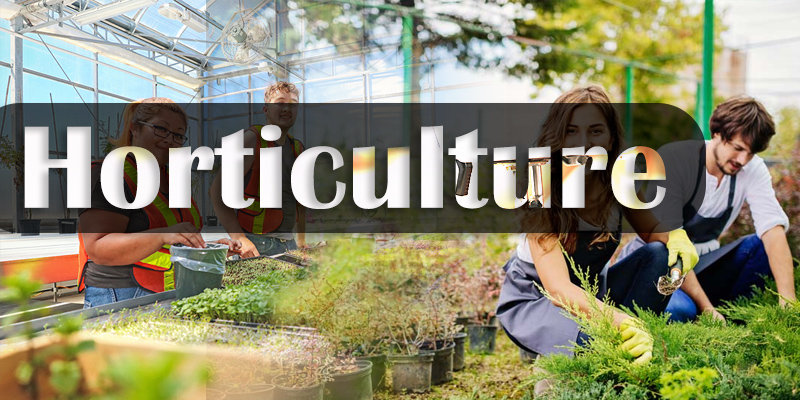
The ITI "Horticulture" trade is a one-year vocational training program under the Craftsman Training Scheme (CTS), governed by the National Council for Vocational Training (NCVT). This course equips trainees with skills in cultivating fruits, vegetables, flowers, and ornamental plants, managing nurseries, landscaping, and applying sustainable horticultural techniques.